James 1:22 (NIV) says, “Do not merely listen to the word, and so deceive yourselves. Do what it says.”
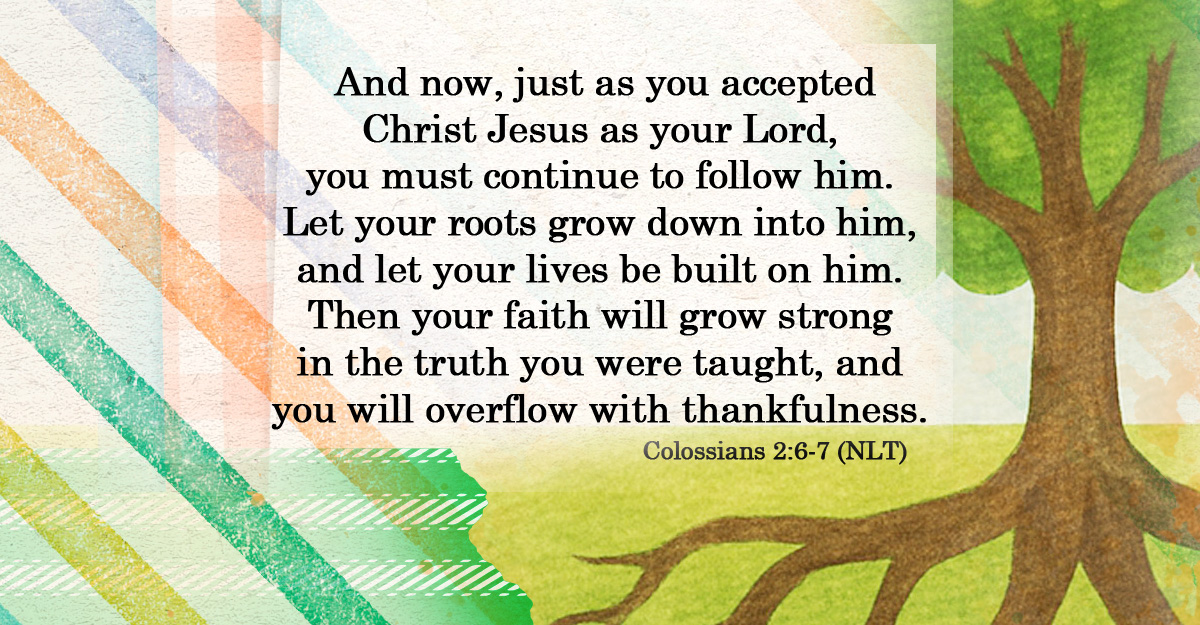
As Christians, we can go through different stages in our relationship with God, and in some of those stages, it’s like we’re standing still instead of moving with Him. We stop growing in the spiritual ways He tells us to, and a lot of the times, we don't even notice it. We get used to a certain routine and start to feel comfortable, and that’s what we need to watch out for—becoming too comfortable. It’s during those times that we can get off track and lose our motivation to learn more about God.
2 Peter 3:18 (NIV) says, “But grow in the grace and knowledge of our Lord and Savior Jesus Christ. To him be glory both now and forever! Amen.”
This verse reminds us that we should continually seek God because doing so helps us grow closer to Him and brings honor to His magnificent glory.
I myself have been a little still in my relationship with God. I haven't been desiring Him like I used to, and I've gotten distracted by watching TikTok and doing all sorts of other things. Even when I did read my Bible, I would rush through it just so I could get back to what I was doing. I'm sure we can all relate to this somehow because worldly things can be so addictive.
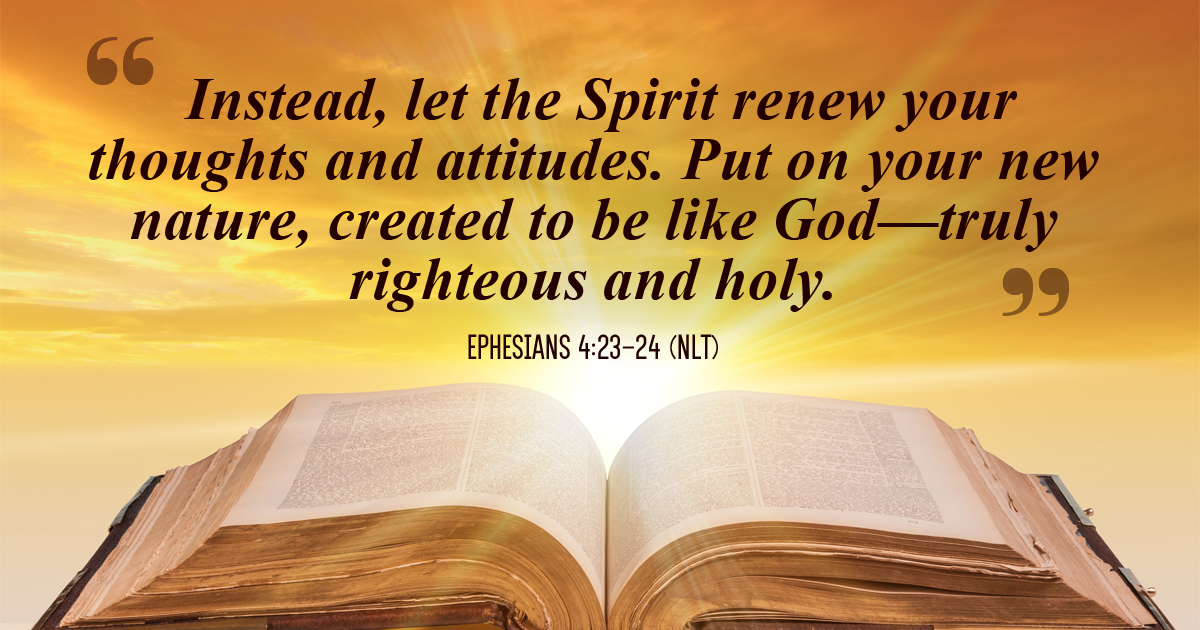
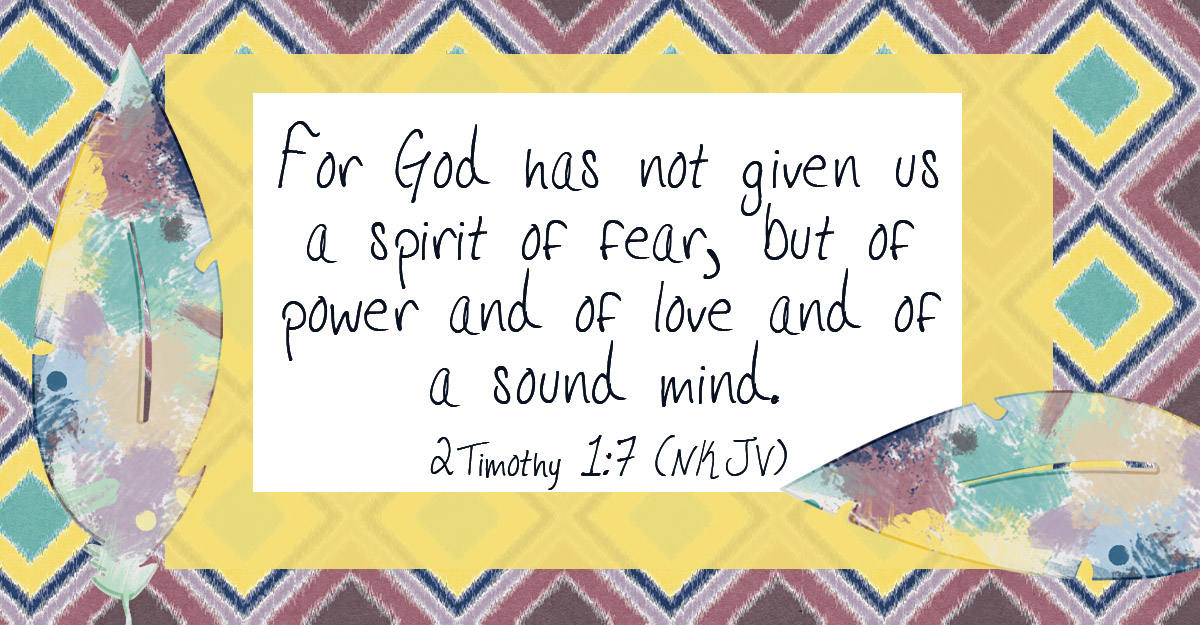
But we need to learn to reach for God's hand and recognize when we've started ignoring Him. We must continue growing spiritually, walking with God, and trusting Him. We should also be careful to avoid the enemy's traps because Jesus Christ is coming back, and we must be prepared.
Scripture quotations taken from The Holy Bible, New International Version® NIV®. Copyright © 1973, 1978, 1984, 2011 by Biblica, Inc.®. Used by permission. All rights reserved worldwide.
Scripture quotations marked (NLT) are taken from the Holy Bible, New Living Translation, copyright © 1996. Used by permission of Tyndale House Publishers, Inc., Wheaton, Illinois 60189. All rights reserved.
“Learning to Grow in God”, written for aheartforchristdevotions.blogspot.com by Kraiapril©2026. All rights reserved. All done to the glory of God through Jesus Christ our Lord!